FAQs – How can I support you and your loved ones?

Los Angeles Ceremony Officiant & Chaplain
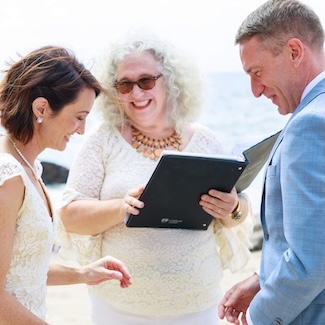
Wedding FAQs

Officiating religious, interfaith and secular weddings and vow renewals

Blending rituals can be beautiful, deeply creative, and very meaningful. I’ve yet to find a religious or spiritual path that doesn’t contain some sort of ritual for all the significant moments in life, from birth to death, and everything in between. And while the ritual may look different from one religion and/or culture to the next, the underlying psychological significance is the same.

Here’s an example.

Jewish tradition, as well as many Christian traditions (not all!), have wedding rituals that involve wine. In the Jewish tradition, weddings have a Kiddush, which is a blessing sanctifying a Kosher wine, and by extension, the marriage. In Christian faiths, wine is utilized as a central instrument of sanctification, blessing, and covenant as well. While Jews and Christians have different understandings of covenant in some significant ways, both recognize that marriage itself is a covenantal relationship between the two marriers, and it is understood to be “holy”, that is, set apart from all the other relationships that each partner has.

So, here’s how I, as a Jewish/Interfaith Wedding Officiant, have “blended” the Jewish and Christian wine traditions.

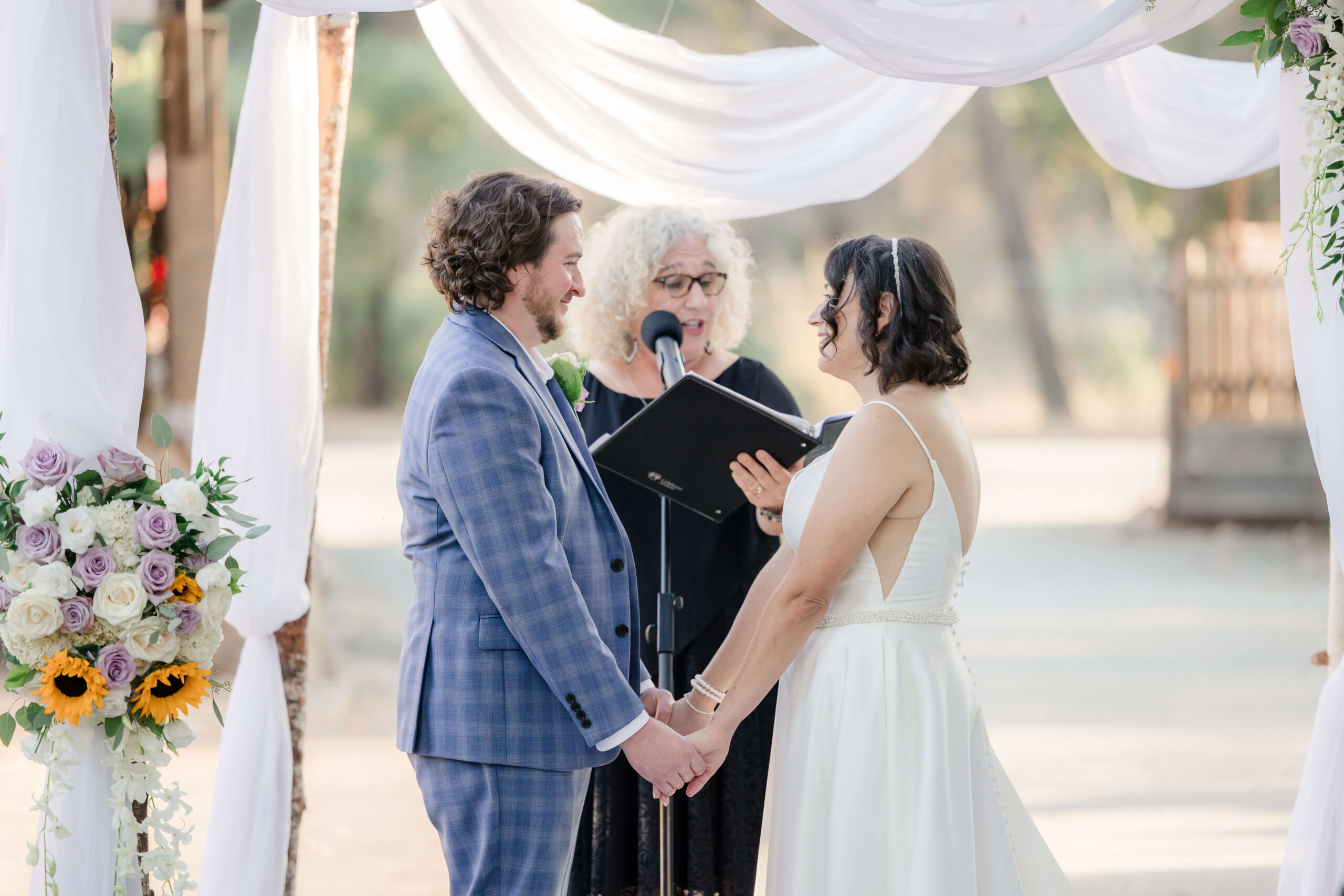
Under the Chuppah (marriage canopy) of an Israeli Jewish and Mexican Catholic Interfaith wedding ceremony (yes!) I had 2 cups of wine, the Kosher wine (Manischewitz, what else?) and a lovely white wine. When it was time for the Kiddush – sanctifying the marriage with the blessing over the wine – I started the prayer in Hebrew, “Baruch Atah, Adonai Eloheinu Melech HaOlam/Blessed are You, Creator of All…” and then, after a few more words, I went into an English interpretive part of the prayer that included: “…Just as the grapevine requires care, time, and nourishment to grow, so too has your love been nurtured by your families, friends, and your commitment to one another.”

After I recited the prayer in Hebrew and in English, the bride and groom simultaneously poured the wine that was in each of their individual goblets into a third, shared goblet. In effect, they were blending their respective religious and cultural traditions. Then, they each took a sip from the shared goblet.

In this way, both the bride and groom felt honored.

One other blending of wedding rituals stands out to me that I want to tell you about.

I had the honor of officiating the wedding ceremony of a Jewish bride and her Black groom.

A very significant Black wedding ritual is the Jumping of the Broom. This ritual symbolizes cleansing the marriage ceremony from evil spirits while also representing the couple’s commitment to each other to set up their new life together in a home they call their own.

I decided to combine this ritual with the Jewish Breaking of the Glass, in which the groom (or both marriers) stomp on a glass at the conclusion of the wedding ceremony. This ritual has historic significance for Jewish people, as it commemorates the destruction of the Second Temple in the year 70 AD by the Romans. And, too, it symbolizes the work couples must do to balance extreme joy with the reality of human vulnerability. Breaking the Glass reminds the couple that relationships are fragile, sorrow coexists with happiness, and mindful commitment is required to sustain a lifelong bond.

To honor both traditions, Black and Jewish, at the conclusion of the wedding ceremony, before the pronouncement of marriage, I invited the couple to jump over the broom, right onto the glass.

These are just two examples of how rituals from different faiths can be blended, and how they can co-exist harmoniously together, just like the marriers. No one has to give up anything. Humans, with all of our differences and nuances, can in fact live together with joy and a sense of excitement, as we learn all the colorful ways of being human, together.

It’s easier than you think!

Since 2021, I’ve been taking classes, seminars, and months-long certified study programs in Wedding and other Life Cycle Officiation. With all of this training, I’ve learned processes of how to get to know both marriers well enough so that I feel like a long lost relative (some people have referred to me as their aunt; it’s probably my white curly hair that makes them say that!).

What are “the processes”, you ask?

They’re simple. They’re my world-famous Questionnaires!

In all of my training and education from the likes of the Celebrant Academy, Mark Allen Groleau and his Un!Boring Wedding Academy, Bethel Nathan, and of course, the Academy for Jewish Religion, CA, where I earned my master’s degree in Jewish studies, as well as maintaining an active membership in the International Association of Professional Wedding Officiants, I am continuously honing the art of asking questions such that, when couples answer them, I come to really learn what makes them tick; what their values are as individuals and as a couple; what their courtship and wedding proposal was like, etc. Armed with this knowledge, I then weave their responses together to create a wedding ceremony that is 100% theirs.

I’m also open to as many meetings, phone calls, and texts as you need. You’re paying me to be of support to you on what will be, hands down, one of the most auspicious, momentous moments of your lives. The chaplain in me always operates by this motto: meet people where
they are.

If we’re geographically close to one another, I’m open to in person meetings as well.

Yes, quite frequently, actually.

Here are two examples of ceremonies I’ve officiated where neither partner was Jewish:

Thai Buddhist/Filipino Catholic Commitment Ceremony: We wove together a beautiful Buddhist Water Ritual with the text of 1 Corinthians 13: 4-8, “Love Is Patient, Love is Kind…”. Some of the text of the Cleansing Ritual included, “May the kingdom of peace come, may the will of heaven be done. May this couple live their lives in such a way that they create a sanctuary of peace wherever they are, wherever they go”. No contradictions with “Love is patient, Love is kind” here. Both partners felt that the Buddhist water ritual, coupled with the Buddhist and Biblical readings, were very complimentary. I loved the spirituality of it.

Agnostic Wedding Ceremonies: I officiated a ceremony in which neither partner wanted any kind of formal religious expression. The groom grew up in a Catholic family but no longer practiced any form of Catholicism, and his bride identified as atheist. But they did like the idea of a concluding wedding ceremony ritual. In getting to know them, I learned that they loved gardening. So, we created a never-been-done-before planting ritual at the end of their wedding. Since they loved ficus plants, I had them plant a ficus seed in a beautiful pot, and this symbolized the new life they were planting and growing together, as husband and wife. It was very creative, and they had a wonderful time performing this in front of their family and friends.

For better and for worse, English is truly the only language that I fluently speak.

That said, I can easily integrate a Spanish word or two into a ceremony (“¡Felicitaciones!”), or, if one or both of the marriers speak French, I can sprinkle a few sentences throughout the ceremony, parce que je parle en peu de Francais ��

As a Cantorial Soloist with a master’s degree in Jewish Studies, I am a fluent Hebrew reader, and reciting/singing any prayer in Hebrew is not a problem for me at all. Reciting and chanting Hebrew prayers are an intimate part of my vocabulary.

That said, I am not a fluent Hebrew speaker, so, I would need to work with a co-officiant if a couple wanted their ceremony spoken exclusively in Hebrew.

In a word, yes!

I am always up for co-officiating with my wonderful wedding officiant colleagues of different religious and cultural traditions.

I really appreciate it when an Interfaith couple wants their priest/Imam/minister, etc., to offer the religious prayers of their traditions, and they allow me to offer the Jewish prayers. There are certain traditions, for example, offering a prayer in the name of Jesus, or, saying a prayer in the name of Allah, that would simply be disingenuous for me to say, because I’m not a practicing Christian/Muslim/Hindu, etc. The opposite is just as true; a spiritual leader from a faith other than Judaism does not have the spiritual relationship to Hebrew prayers that I have. When an Interfaith/Multicultural couple chooses to wed, it is a beautiful thing to have both their religious/cultural/spiritual paths authentically represented.

I have always strived to be a good team player.

  • We couldn’t have asked for a better officiant

    Mitzi Schwartz officiated our wedding ceremony and did an amazing job from start to finish. She worked closely with us throughout the planning process and was incredibly accommodating to our needs. Anytime we had questions, she was there with clear, helpful answers. She made the whole process easy, and on the day itself, she led a truly beautiful ceremony. We couldn’t have asked for a better officiant and highly recommend her to any couple looking for someone warm, professional, and easy to work with
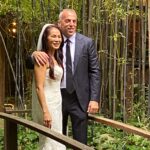
    A Jewish/Vietnamese Couple on their Wedding Day
    Julie R.
    Summer 2026

Bar/Bat/B Mitzvah Ceremonies

Such an exciting time in the life of your family – the moment when your child officially becomes an adult within the Jewish community!

How, you ask, can a thirteen-year-old be considered an adult?!?

Usually, by the time a person turns 13 (give or take a few years!) they can begin thinking about stories in the Torah/Bible and apply them to the context of their life today, and to the lives of the people in their communities. When this happens, they can begin to understand the spiritual wisdom of the Jewish tradition, and they’re able to embody it and act upon it. That’s a very adult thing to do.  
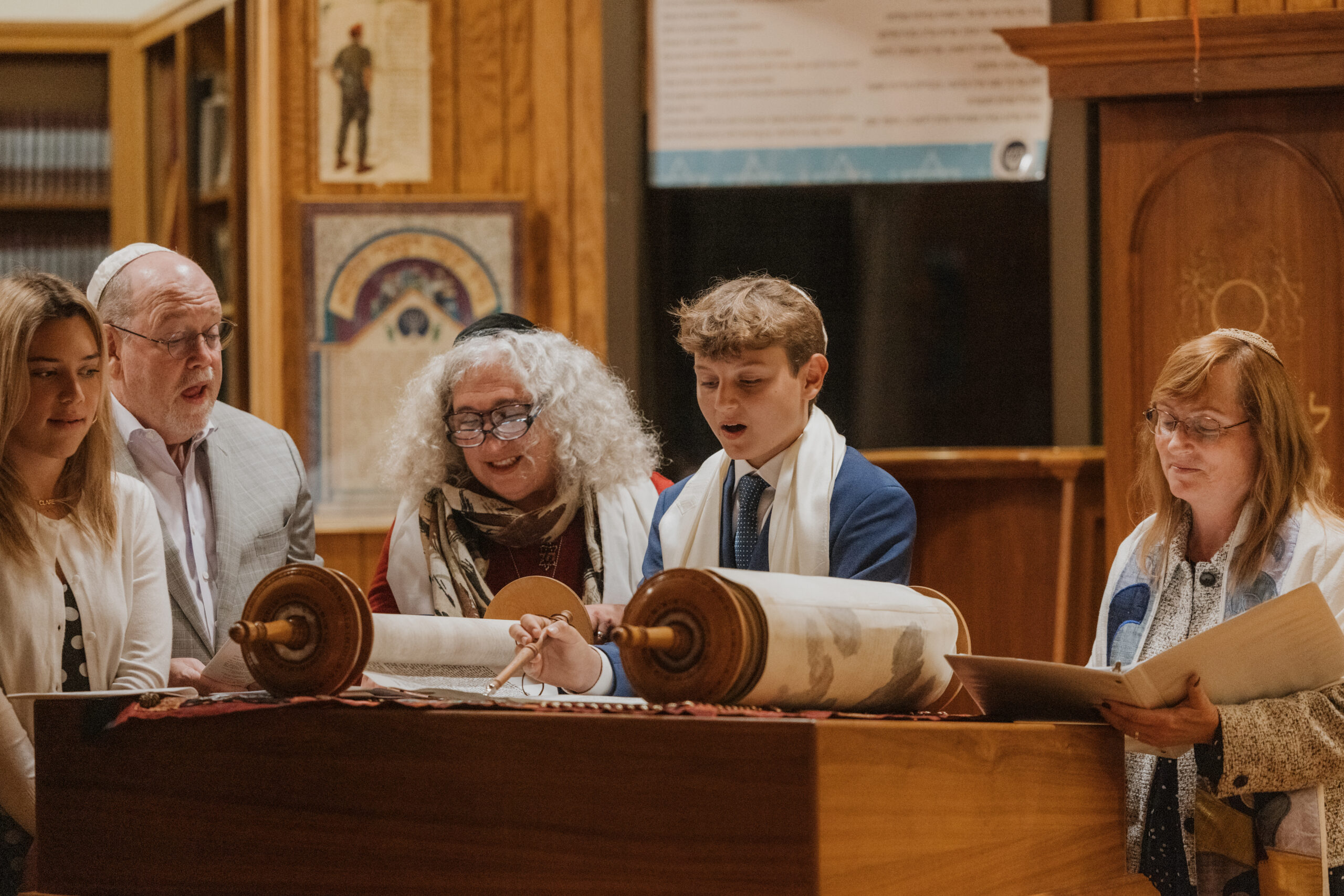
Mitzi Schwarz working with a boy during his Bar Mitzvah

“If you seek a Hebrew tutor and cantor who can transform the Bar/Bat Mitzvah preparation into a truly enlightening experience, I wholeheartedly recommend Mitzi.”

My son commenced his Bar Mitzvah studies with Mitzi having only eight months of prior Hebrew education. Within a relatively short period, under Mitzi’s tutelage, he was confidently chanting his Torah portion and prayers.  Her patient and encouraging approach fosters a positive and productive learning environment.  At times, I’d check in on Mitzi’s Zoom class sessions with my son and think to myself, “I think we’ve found the perfect Jewish fairy godmother for this moment in time.”

Mitzi’s contributions extended beyond Hebrew instruction. She provided invaluable guidance with my son’s Bar Mitzvah speech, assisting him in refining his thoughts and delivery. The result was a moving and engaging address that resonated deeply with our guests. Since his Bar Mitzvah, Easton’s self-assurance has demonstrably increased. He approaches public speaking with newfound confidence and enjoys the ability to read Hebrew. We attribute much of this positive transformation to Mitzi’s exceptional skills, dedication, and wisdom. For families seeking a cantor and tutor who will not only ensure their child’s success but also create a meaningful and memorable Bar or Bat Mitzvah experience, look no further than Cantor Mitzi Schwarz.

– Mark, father of Easton

What do you need?

You may need a tutor to guide your child in learning the prayers and music of the Shabbat service, and you need someone to help your child learn to chant their Torah and Haftarah portion. I am well trained and qualified to be your child’s tutor, as I am a Cantorial Soloist who has been serving synagogue communities since 2001. Since 2020 specifically, I have been on the Clergy team at the Jewish Community of Ojai in Southern California. 

I also help and support your child as they prepare their “drash” – what they’re going to say about the Torah portion they chant in front of the community. And we talk about what Mitzvah project they want to create and/or engage in. How is your child going to take the wisdom they are learning into the world, to make the world a more loving, peaceful place?

A mitzvah, in its most spiritual sense, is understood to be a “connection” between Heaven and Earth. As above, so below. If heaven is a good place, then how can we bring some of that goodness down to earth? That’s what the Mitzvot/Connections/Commandments help us do. 

Finally, if your family is not affiliated with a synagogue community, I can be your Service Leader for your child’s Bar/Bat/B Mitzvah ceremony itself; your child and I will be on the Bimah together, or in your favorite setting, leading the community in joyful and meaningful Shabbat prayer and study.

How can I help your child and family have the most meaningful B’Mitzvah ceremony possible? Let me know how I can support you in this momentous life cycle moment!

“Mitzi guided Sydney through the process with thoughtful prompts that encouraged her to find her own voice and personal connection to the Torah portion.”

Though we are not a “religious” family, we deeply value our Jewish heritage and ancestry. Sydney’s Bat Mitzvah served as a meaningful rite of passage, marking a pivotal moment of self-discovery for her.  But even beyond guiding Sydney, Mitzi became a mentor and friend to me as well. We shared conversations about Judaism and life outside of the Bat Mitzvah preparations, making the entire journey feel supportive and enriching.

– Jennifer, proud mom of a Bat Mitzvah
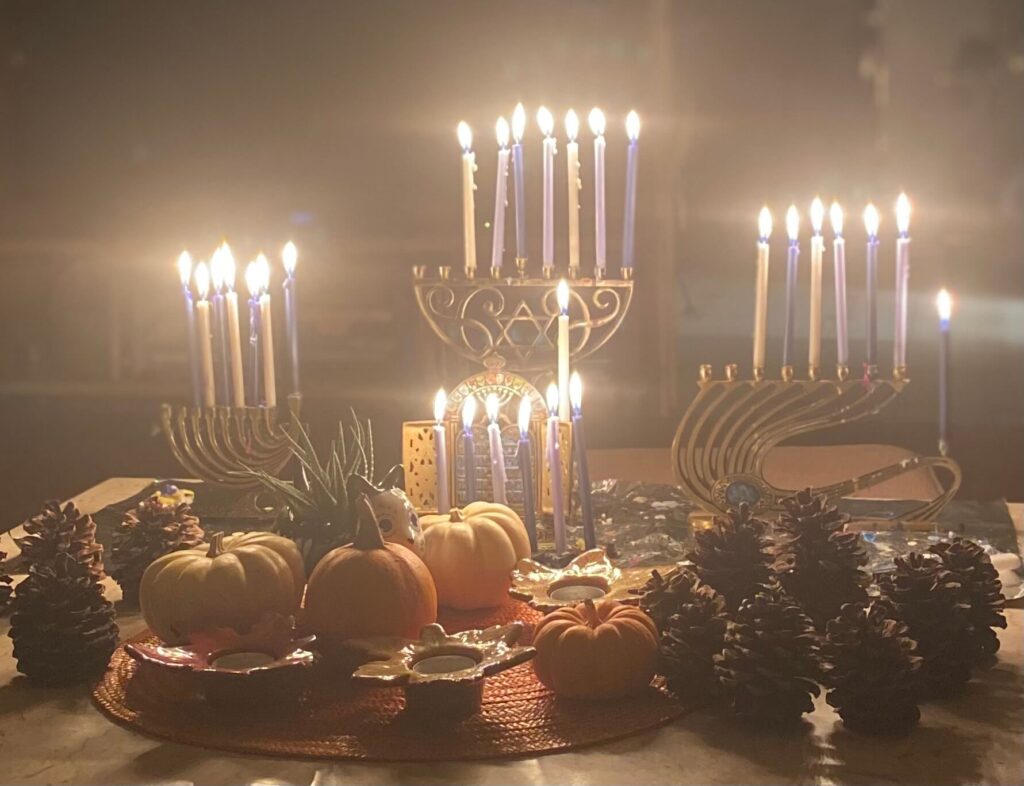
Jewish holiday celebration

Holiday Celebrations

It’s Shabbat! It’s Chanukah!! It’s Rosh Hashanah!!!

You want to celebrate, but you aren’t quite sure what the traditions are, or what to do. You know the prayers, but you haven’t said them in years, and you need a little help. And you’d like to know the intentions behind all those prayers and traditions that you’re saying and doing.

What do you do? You call me!! I love helping couples, families and large gatherings of people learn to reclaim their Jewish religious ceremonies and traditions where it matters most – in your homes, during the times it matters most – when there is a holiday to celebrate! If you want to bring Yiddishekeit into your home and learn (or re-learn) the traditions of your ancestors, give me a call. I’d love to help!

End-of-Life Support/Funeral Officiation

From Ecclesiastes 3: “There is a season for everything,A time for every experience under heaven:A time to be born and a time to die,A time to plant and a time to uproot what is planted;A time to tear down and a time to build up;A time to weep and a time to laugh,A time to grieve and a time to dance…”

The late Rabbi Harold Schulweis wrote: “Write it on my epitaph that my loved ones be consoled; it is never, never too late.”

Approaching the end of life is often the most challenging thing anyone will experience. And if not for the one approaching death, then for their loved ones. I believe it’s safe to say that everyone prays for one thing: that when it’s our time to leave this earth, or it’s the time for our loved ones, that we leave instantaneously, pain free and drama free. When our time comes, we will lie down to sleep, at the sunset of our life, and simply not wake up. God willing, pain free.

But we know that this is not always what happens. And it is at the end of life that individuals and families most want someone to accompany them on this journey; sit with them, cry with them, hold sacred space for them, so that the one who is dying and the loved ones surrounding them feel supported and seen, without judgement and especially without any agenda of how things “should” be or “should” go. Some families and individuals want prayer; others cringe at the thought of hearing prayer recited.
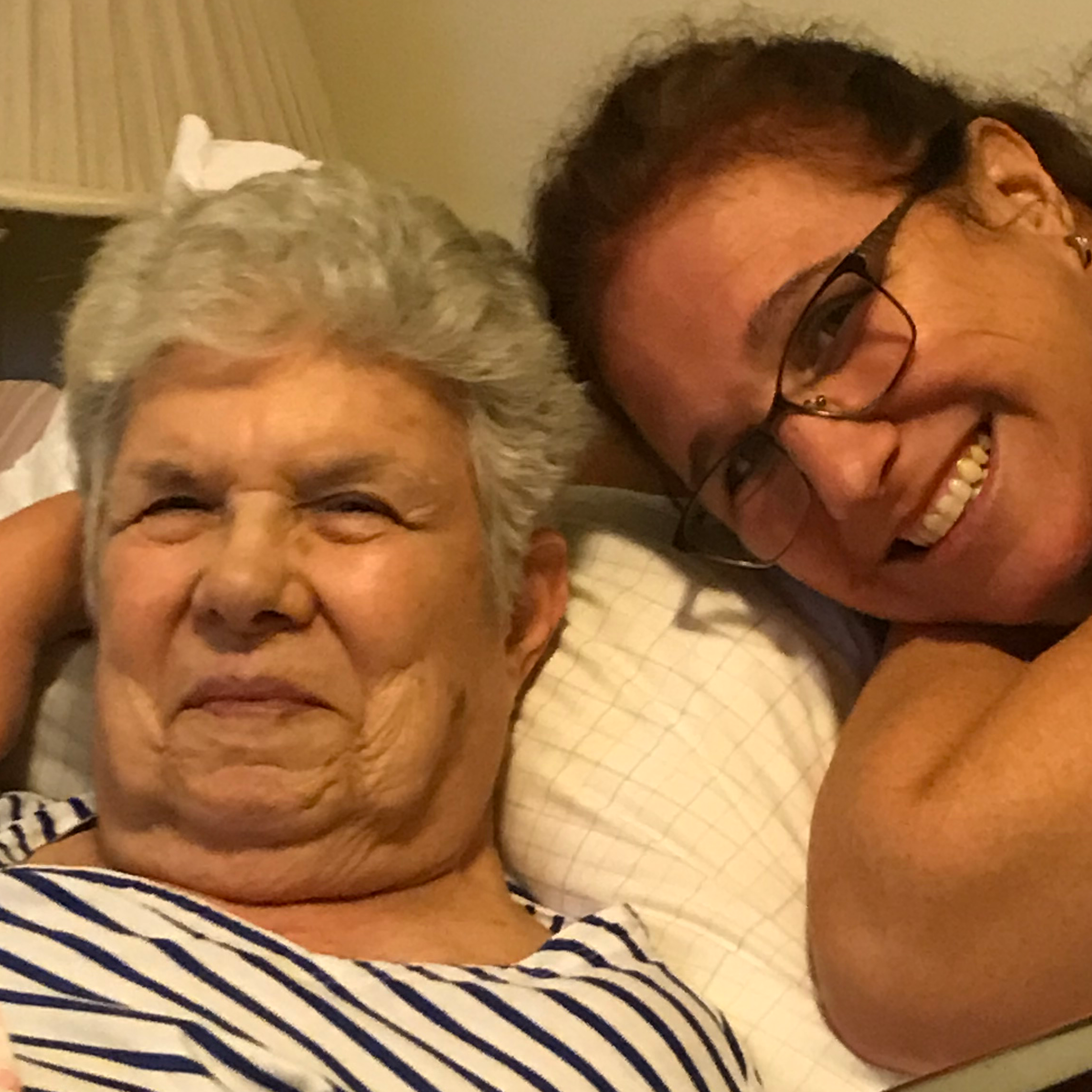
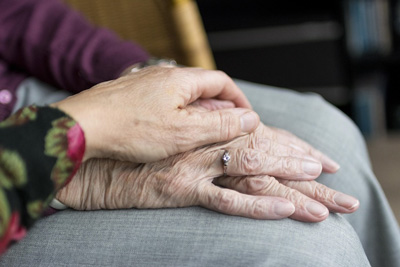
Mitzi Schwarz providing end of life support

I worked from 2015-2020 as a hospice chaplain and I realized that serving people in this capacity is something that I’m built for. Also, at the end of life comes the funeral or memorial service. Here too, families want a person who can listen not only to their needs, but to the life of the loved one. I serve families by deeply listening to the stories of your person’s life and from that, I craft a service that speaks to the beauty of that person. I strive to create a sacred space where family members and friends can speak as much or as little as needed and wanted, to eulogize your loved one. Some people want a more religious ceremony, others not so much.


Whatever speaks most to your heart is what I strive to provide.

I also stay in touch with families after the funeral. If you request additional support, I’m able to make referrals to bereavement support groups.
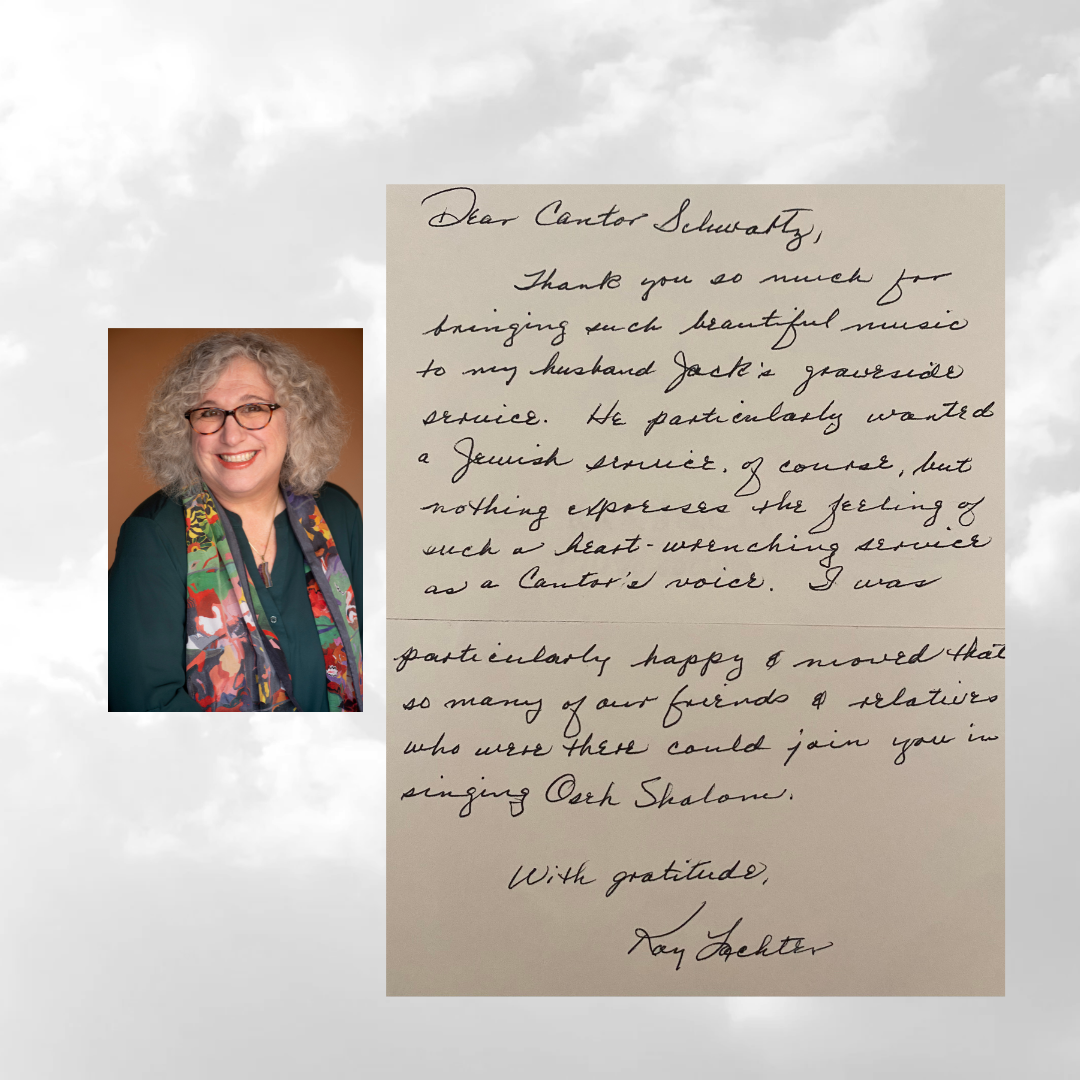
family card given to Mitzi Schwarz

“Thank you so much for bringing such beautiful music to my husband’s graveside service. Nothing expresses the feeling of such a heart-wrenching service as a Cantor’s voice.”

I’m here to assist you however I can.